


How to Sort Laundry the Right Way (Most People Skip This Step)

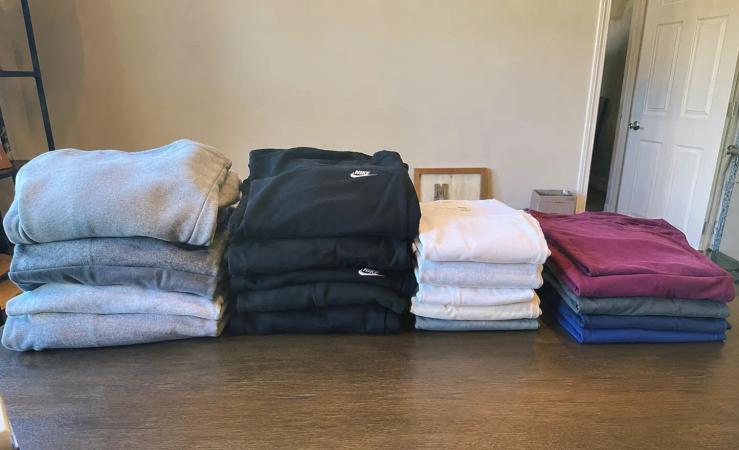
Most people separate laundry into two piles: stuff that might bleed and everything else. That works until your favorite gray shirt comes out with a faint pink tint, or your cashmere sweater shrinks two sizes after going in with the jeans.
Sorting takes about two minutes. What it prevents can take years off your wardrobe. Here's the system that actually works — and the one shortcut that's legitimately fine to take.
Why Sorting Laundry Matters
Every wash involves three variables that can damage your clothes if mismatched: heat, agitation, and dye transfer. A hot, heavy cycle that's perfect for towels will ruin a silk blouse. A dark new denim jacket will bleed indigo onto everything else in the drum. Sorting addresses all three before the machine ever starts.
It also gets your clothes cleaner. Washing heavily soiled gym clothes with lightly worn office shirts means either the shirts get an unnecessarily harsh cycle, or the gym clothes don't get clean enough. Matching soil level to cycle intensity makes a real difference in the results.
Step 1: Separate Laundry by Color
This is the step everyone knows but often shortcuts. The basic rule is to keep whites separate from everything else — but there's a bit more to it than that.
Whites
Pure white items: white cotton shirts, white socks, underwear, white bed linens. Wash in warm or hot water to maintain brightness. Mixing in "off-white" or cream is fine, but anything with a hint of color goes in a different pile.
Lights
Pastels, creams, light grays, pale yellows, light blues. These won't bleed onto each other in any meaningful way, but they'll pick up dye from darks and brights — so keep them in their own load.
Darks
Black, navy, dark gray, dark green, deep burgundy, dark brown. Cold water only — heat accelerates fading in dark fabrics. New dark items, especially raw denim, should be washed alone for the first two or three cycles since fresh dye bleeds heavily.
Brights
Bold reds, oranges, bright blues, yellows, neons. The most likely to bleed, especially when new. Wash brights with brights, in cold water, and always turn them inside out before they go in.
The one shortcut that's actually fine: If you're short on time and everything in the load has been washed multiple times before, mixing lights and darks in cold water is low-risk. Cold water dramatically reduces dye transfer. New items and whites are never candidates for this shortcut.
Step 2: Sort by Fabric Type and Weight
This is the step most people skip — and where the real clothing damage happens.
Heavy fabrics
Bath towels, jeans, denim jackets, thick sweatshirts, canvas items, heavy bedding. These need longer cycles, higher agitation, and more heat to get genuinely clean. They also retain water during the spin cycle, so lighter items washed alongside them come out either over-agitated or under-rinsed.
Everyday fabrics
Standard cotton t-shirts, socks, underwear, casual pants. The workhorse pile — most cycles and temperatures work fine here. This is your default load.
Delicates
Silk, wool, lace, cashmere, chiffon, synthetics with spandex (swimwear, activewear), anything with embellishments or beading. Cold water, delicate or hand wash cycle, low or no spin. Never wash these with heavy items — the agitation alone causes pilling, stretching, or fiber damage. When in doubt, hand wash.
Lint — the overlooked factor
Some fabrics shed lint aggressively: towels, fleece, chenille. Others attract it: corduroy, microfiber, dark synthetics. Washing lint-shedders with lint-attractors is how you end up with a black shirt covered in white fuzz. Keep towels away from dark clothing and microfiber items.
Step 3: Sort by Soil Level
This one gets skipped most often, and it matters more than most people expect.
Lightly soiled — worn once, no stains, no real odors. A standard or delicate cycle is plenty and won't put unnecessary stress on the fabric.
Moderately soiled — everyday wear with mild odors or light surface dirt. Normal cycle, normal detergent amount.
Heavily soiled — muddy, heavily stained, strong odors, gym clothes after an intense workout, kids' play clothes that encountered grass and who-knows-what-else. These need a heavy-duty cycle, more detergent, and sometimes a pre-soak before washing. Mixing them with lighter loads either spreads the soil to cleaner items, or means the cleaner items go through a more aggressive cycle than their fabrics need.
One rule that applies to all three: pre-treat any visible stains before the load goes in. Once a stain is baked in by dryer heat, it's nearly impossible to remove.
What Your Sorted Piles Should Look Like
At the end of sorting you should have somewhere between three and six piles, depending on what you're working with that week:
- Whites — warm or hot water, normal or heavy cycle
- Lights — cold or warm water, normal cycle
- Darks — cold water only, normal cycle, turn inside out
- Brights — cold water only, normal cycle, turn inside out
- Delicates — cold water, delicate or hand wash cycle, low spin
- Heavy/towels — warm or hot water, heavy cycle
You won't always have all six. Some weeks it's three. The point is that nothing from one category ends up in a cycle built for another. If you're wondering why hot water is actually the wrong default for most loads — not just darks — this post breaks down the specific damage it causes over time.
A Few Things Worth Doing Before Every Load
Check care labels on anything new. The label tells you exactly what temperature and cycle that specific fabric was engineered for. A ten-second glance before the first wash saves a lot of frustration.
Turn dark and bright clothes inside out. Agitation causes surface friction, which is what fades color over time. Inside out means the friction hits the interior where it doesn't show.
Zip zippers, fasten bra hooks, button buttons. Open metal hardware snags other fabrics in the drum. A single open zipper can pull and damage multiple items in one cycle.
Don't overfill the machine. Clothes need room to move to get clean. A packed drum means uneven washing, more wrinkling, and items that come out smelling the same as they went in.
Pre-treat before washing, not after. Stain removers need time to break down the stain before agitation helps lift it. Applying them after the wash — or after the dryer — is almost always too late.
When You'd Rather Not Deal With It
Sorting is simple once it's a habit, but it's still one more thing on the list. If you're consistently falling behind, or if you have a pile of delicates and specialty fabrics you're not confident handling, that's exactly what pickup and delivery is for.
At MAXfresh, every load is sorted, washed on the appropriate cycle, and cleaned using our MAXfresh® Water ozone technology — which sanitizes without the heat and chemical stress that shortens the life of your clothes. We handle the sorting so you don't have to think about it.
Washed something that needs to air dry? Our guide covers what to hang, what to lay flat, and how to keep everything soft without a dryer. Read it here.